
Are Headphones and Earbuds Damaging My Hearing?
If you have ever logged miles on the Little Miami Scenic Trail, running,
By: admin | June 25, 2026
Anyone who has spent a spring in central or southwest Ohio knows that pollen season has a way of showing up everywhere. You notice it after spending an afternoon outside, opening the windows for the first time in months or getting back from a weekend at the ballfield.
If you wear hearing aids, they’re exposed to the same spring conditions you are. Time spent outdoors can lead to more pollen, dust and debris collecting on your devices.
That buildup can settle around the small openings and components that help hearing aids function properly. During most of the year, a regular cleaning routine is enough to stay ahead of it. Spring can be a little different.
With more pollen in the air and more time spent outside, hearing aids often need extra attention. If that debris is allowed to accumulate, you may start noticing muffled sound, reduced clarity or other performance issues.
If your hearing aids don’t seem as clear as usual during the spring, pollen buildup may be part of the reason. Dust, pollen and other debris can collect around microphones, vents and other small openings over time.
As that buildup increases, it can start to affect sound quality and overall performance.
When those areas become blocked, sound may not come through as clearly. Voices can start to seem muffled or distant, and you may find yourself turning up the volume more often than usual.
Because buildup can happen little by little, it may take a while to realize your hearing aids need a thorough cleaning.
If the blockage gets worse, sound may cut in and out or the devices may stop performing as reliably. Regular cleaning during pollen season can help prevent those issues and keep sound moving through your hearing aids the way it should.
Pollen buildup doesn’t usually cause problems overnight. In most cases, hearing aids continue working, but small changes in sound quality start to appear as debris collects around microphones, vents and other openings.
Because those changes tend to happen gradually, it’s easy to assume the issue is your hearing when the real culprit may be a device that needs cleaning.
A few signs to watch for include:
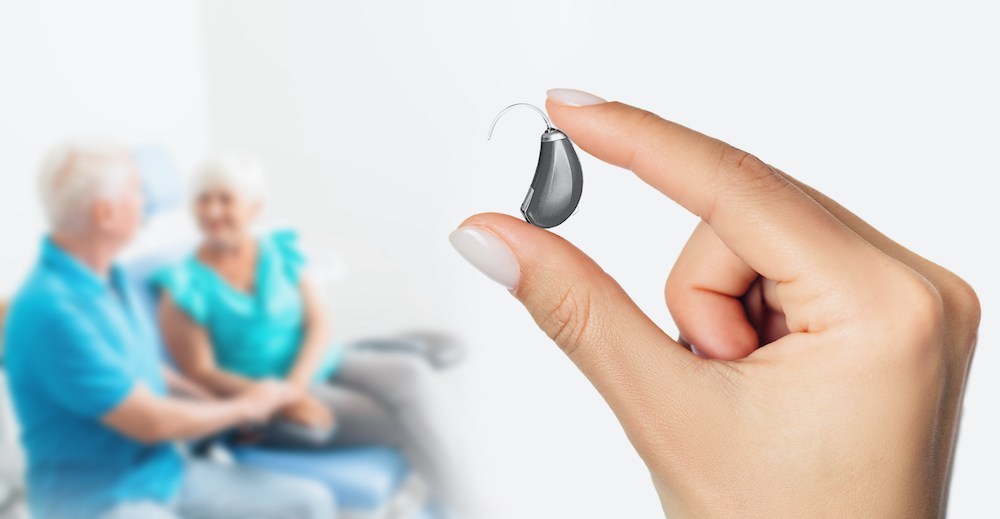
Not all hearing aids are exposed to dust and pollen in quite the same way. BTE and RIC hearing aids have external components that come into direct contact with the environment. As a result, they often collect more dust and pollen than styles that sit entirely in the ear.
During allergy season, that can include pollen, dust and other debris that may collect on microphones, receivers and other small openings.
In-the-ear (ITE) and completely-in-canal (CIC) hearing aids sit more fully inside the ear, giving them a little more protection from airborne particles. That doesn’t mean they’re immune to buildup, though.
Earwax, moisture and debris can still affect performance, especially during the spring when pollen levels are high and people are spending more time outdoors.
No matter which style you wear, regular cleaning is an important part of hearing aid care. Keeping microphones, vents and other components clear can help maintain sound quality and reduce the chances of seasonal buildup interfering with performance.
Pollen and dust don’t usually collect evenly across a hearing aid. Instead, they tend to gather around the small openings and components that help the device pick up and deliver sound.
That’s why a hearing aid can look fairly clean on the outside while still experiencing performance issues caused by debris buildup. When cleaning your hearing aids this spring, pay a little extra attention to the areas where pollen and dust are most likely to collect:
Getting into a steady rhythm with your cleaning routine keeps your devices running smoothly through the heavy pollen months. Taking a few minutes before bed helps clear away the day’s buildup before those sticky particles cause lasting issues.
Follow these practical steps to care for your hearing aids each evening:
When seasonal pollen starts building up on your hearing aids, you might feel tempted to give them a deep scrub. However, attempting to wash away that sticky yellow dust with water or household cleaning liquids can cause instant internal damage.
Moisture easily seeps into the tiny openings and degrades the delicate parts that bring sound to your ears. Even a small drop of rubbing alcohol or window spray can quickly corrode the internal electronics.
Another common mistake involves using pointed metal objects like needles, safety pins or paperclips to clear out stubborn debris from the small ports. These rigid items can easily puncture the protective acoustic mesh or scratch the microphone surface.
Instead of forcing a household tool into the vents, sticking to a specialized soft brush designed for daily maintenance keeps everything safe.
Pollen isn’t the only challenge hearing aids face during an Ohio spring. As temperatures rise, so does humidity. Moisture from humid air, perspiration and sudden weather changes can find its way into hearing aids throughout the day, especially during outdoor activities.
Unlike pollen, moisture isn’t always visible. A hearing aid may look perfectly clean while small amounts of moisture collect around microphones, receivers and battery compartments.
Over time, that moisture can affect sound quality and lead to intermittent performance issues. Using a drying case at night and wiping down your hearing aids after spending time outdoors can help reduce moisture-related problems during the humid months of the year.
Sometimes, daily cleaning at home just cannot reach the buildup that collects during high allergy season. Bringing your devices into the office gives you access to specialized tools that safely clear out deep blockages without damaging the fragile parts inside.
The team can look deep inside the tiny ports to remove packed-in dust and dirt that a regular brush misses. This thorough cleaning helps restore the volume so you can get back to following conversations without straining.
During these visits, the team can also replace worn parts like wax guards and tiny filters that easily fill with seasonal debris. They will check the physical fit of the pieces in your ear to see if springtime skin irritation or swelling is making them uncomfortable.
Catching these minor issues early keeps your devices working reliably and prevents a small clog from turning into a costly repair. This extra care means you can focus on enjoying family dinners, neighborhood gatherings and daily visits with friends.
Most people don’t think much about their hearing aids during the spring. They think about the weather, yard work, allergy season and finally being able to spend more time outside.
The good thing is that pollen buildup is often manageable. Regular cleaning can help keep debris from affecting sound quality.
If your hearing aids haven’t been sounding quite right or you’d like them professionally cleaned, Earzlink Hearing Care can help. With locations across Central and Southwest Ohio, our team is available at (888) 293-5604 to answer questions.
Tags: hearing aid basics, hearing aid repair, hearing aid styles

If you have ever logged miles on the Little Miami Scenic Trail, running,
By: admin | July 26, 2026
Anyone who has spent a spring in central or southwest Ohio knows that
By: admin | June 25, 2026

Most people don’t wake up one day and suddenly can’t hear.
By: admin | January 19, 2026